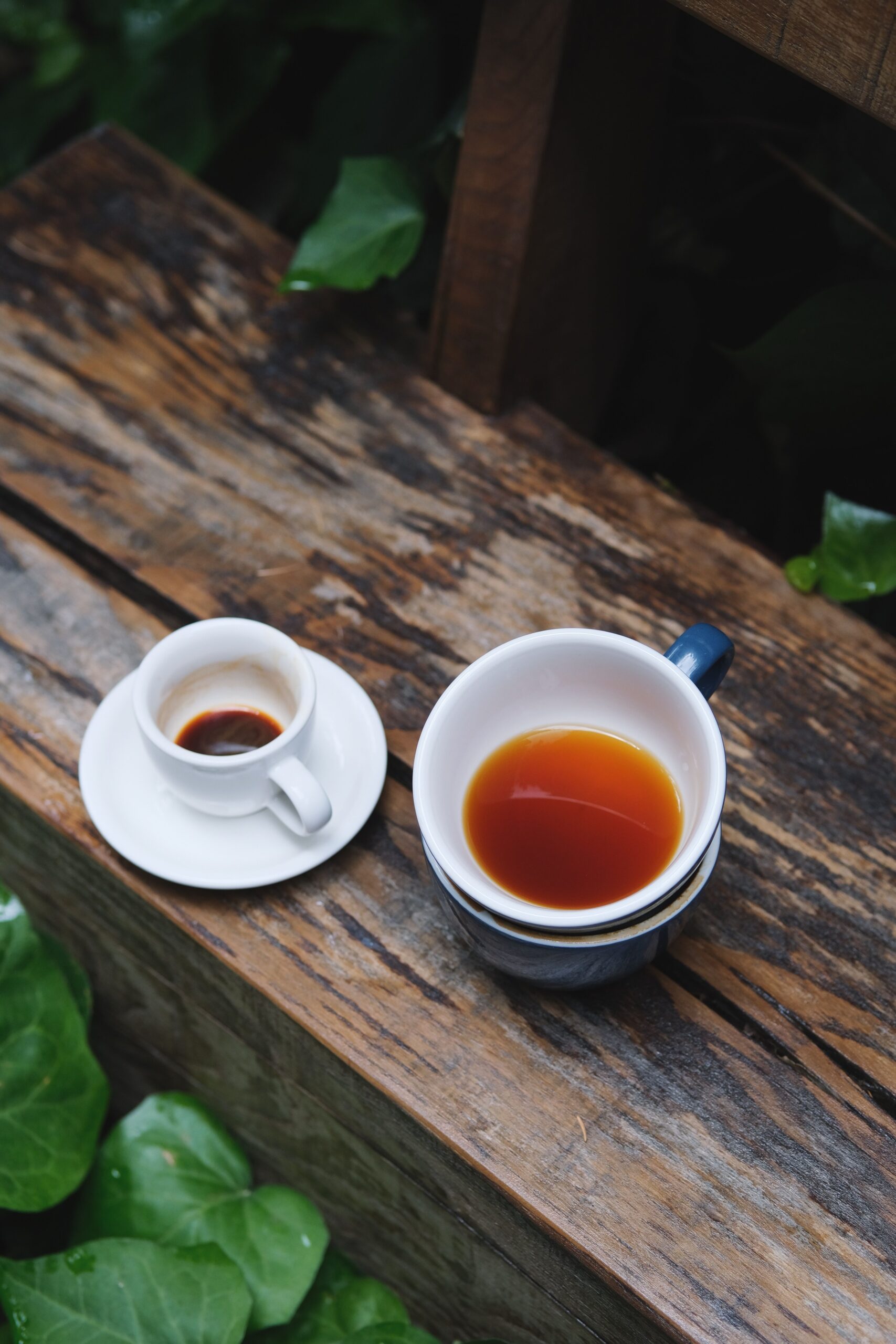
Tag: sleep health

  • Why the Caffeine in One Cup Can Be So Different

    Why the Caffeine in One Cup Can Be So Different

    A cup of coffee is not a standard caffeine dose

    How much caffeine is in a cup of coffee? The question sounds simple, but “one cup” does not describe one fixed dose. Two drinks with the same name can contain very different amounts of caffeine.

    The bean, the amount of ground coffee, the brewing method, the number of espresso shots and the serving size all help determine what reaches your body. This is why counting cups alone can be misleading.

    Concentration is not the same as total caffeine

    Espresso is highly concentrated. A small volume can contain more caffeine than the same volume of ordinary brewed coffee. But an espresso serving is also small.

    Drip coffee may taste less intense, yet it is commonly served in a much larger cup. A large brewed coffee can therefore deliver more caffeine in the complete serving, even though espresso has the higher concentration.

    The same distinction matters with cold brew. Some cold brews are prepared as concentrates and diluted before serving. Others are sold ready to drink. The final dose depends on the coffee-to-water ratio, dilution and serving size. The words “cold brew” cannot tell you the caffeine content by themselves.

    Strong flavor is not a caffeine measurement

    Dark, bitter or intense flavor does not automatically mean more caffeine. Roasting, extraction and many compounds in coffee shape what we taste. A smooth or mild drink can still contain a substantial amount.

    Flavor can help us enjoy coffee, but it cannot accurately measure the dose.

    The bean and the recipe both matter

    Arabica and Robusta are two widely used coffee types. In general, Robusta contains more caffeine than Arabica. A blend containing more Robusta may therefore produce a different caffeine dose from a drink made entirely with Arabica.

    The amount of ground coffee also matters. More coffee makes more caffeine available for extraction. With espresso-based drinks, the number of shots is especially useful information.

    A one-shot Americano and a three-shot Americano may look similar, but they are not equivalent. Adding water makes the flavor less concentrated; it does not remove caffeine that has already been extracted.

    If two Americanos contain the same number of shots, the larger one may simply contain more water. If the café adds shots as the size increases, however, the total caffeine increases too.
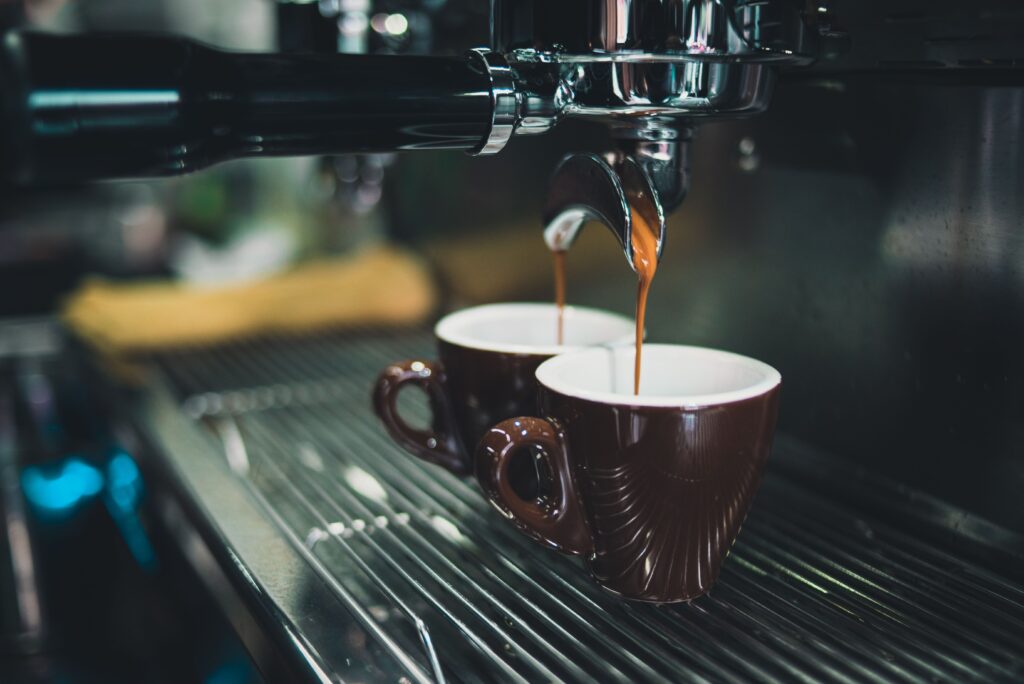
    Barista preparing multiple espresso shots

    Brewing changes what reaches the cup

    Caffeine moves from ground coffee into water during extraction. The quantity of coffee, coffee-to-water ratio, grind size, contact time and brewing method can all affect the result.

    Coffee prepared at home and coffee purchased from two different cafés should not be assumed to contain identical doses, even when all three drinks have the same name.

    Decaf does not always mean caffeine-free

    Decaffeinated coffee contains much less caffeine than regular coffee, but it is not necessarily free of caffeine. The U.S. Food and Drug Administration notes that an eight-ounce serving of decaf coffee typically retains a small amount.

    For most people that amount is modest, but it can matter to someone who is highly sensitive or drinks several servings.

    How to make a more useful estimate

    Do not count cups alone. Look at serving size and espresso shot count when that information is available. Consider every source of caffeine, including tea, energy drinks, chocolate, certain supplements and some medications.

    Then compare the numbers with your own response. Trouble sleeping, a pounding heartbeat, shakiness, anxiety or digestive discomfort may indicate that the dose or timing does not work well for you.

    A cup of coffee is not always the same dose. Instead of asking only, “How many cups did I drink?” ask a better question: “What was actually in those cups?”

    Watch the Full Body Well Lesson

    📺 Watch on YouTube:


    ← Back to Wellness Archive

  • Why Does the Same Cup of Coffee Affect Everyone Differently?

    Why Does the Same Cup of Coffee Affect Everyone Differently?

    Two people can drink the same coffee at the same time and experience very different results. One sleeps normally that night. The other feels restless, notices an uncomfortable heartbeat, or remains awake much later than expected.

    This is not simply a matter of being good or bad with coffee. Our bodies do not process or respond to caffeine in exactly the same way.

    Caffeine does not create new energy

    As we remain awake, a substance called adenosine gradually builds in the brain. When adenosine binds to specific receptors, it contributes to sleep pressure—the growing signal that the brain has been awake long enough and needs rest.

    Caffeine has a structure that allows it to occupy those receptors. It does not remove the tiredness or supply the body with new energy. It temporarily makes it harder for part of the adenosine signal to reach the brain. That is why you may feel more alert even though the underlying need for rest has not disappeared.

    Five hours is an average, not your personal deadline

    The average half-life of caffeine in an adult is about five hours. If you consume 100 milligrams at 2 p.m., roughly half may still remain around 7 p.m.

    But that average cannot predict exactly what will happen in every person. Caffeine is broken down mainly by a liver enzyme called CYP1A2, and the activity of this enzyme varies among individuals. Genetics can contribute, while pregnancy, hormonal changes, certain medications, health conditions and environmental factors can also change caffeine clearance.

    The Same Cup of Coffee Affect Everyone Differently.

    Metabolism and brain sensitivity are different

    Clearing caffeine relatively quickly does not guarantee that someone will feel comfortable after drinking it. The speed of caffeine metabolism and the sensitivity of the brain are related but distinct issues.

    One person may be particularly sensitive to restlessness, anxiety or palpitations. Another may fall asleep easily and conclude that coffee has no effect. Yet falling asleep is not the only measure of sleep. Research suggests that perceived sleep quality and objectively measured changes do not always match.

    Four hundred milligrams is not a target

    The US Food and Drug Administration says that 400 milligrams of caffeine per day is an amount not generally associated with negative effects for most healthy adults. It is not a target everyone should try to reach, and it is not a guarantee that every person will feel well at that amount.

    Caffeine may remain in the body longer during pregnancy, and certain medications can alter its metabolism. People who are pregnant, breastfeeding, taking medication or managing a medical condition may need individual advice from a qualified healthcare professional.

    Find the timing and amount that work for you

    Instead of judging coffee only by the number of cups, observe several factors together:

    • The serving size and estimated caffeine amount
    • The time of your last caffeinated drink
    • How long it takes to fall asleep
    • Whether you wake during the night
    • How tired you feel the next morning
    • Whether you notice restlessness, anxiety or palpitations

    Try moving your last caffeinated drink earlier or reducing the amount for several days. A simple comparison of your own response may be more useful than copying another person’s coffee routine.

    There is no universal coffee schedule that works perfectly for every body. The useful question is not how much coffee other people tolerate. It is how caffeine affects you at a particular amount and time.

    The coffee may be the same. The body processing it is not.

    This article provides general health information and is not a substitute for individual diagnosis or treatment.


    🎥 Watch the video: Why Does the Same Cup of Coffee Affect Everyone Differently?