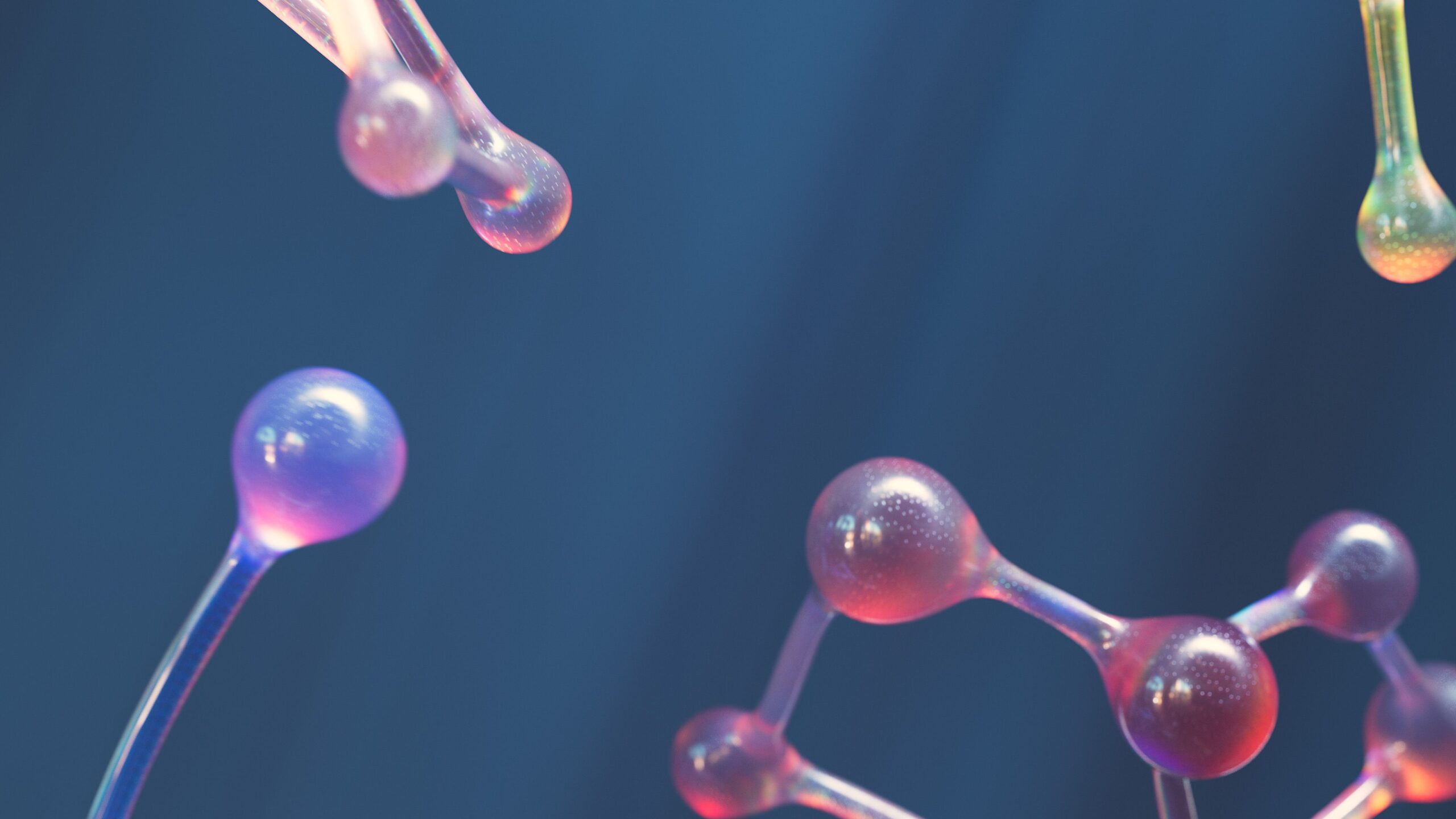
Reactive oxygen species, usually shortened to ROS, appear frequently in discussions of aging, skincare, supplements, and chronic disease. They are often presented as harmful molecules that should be eliminated as completely as possible.
That description captures only one side of the biology.
ROS can damage cells when they accumulate beyond the body’s capacity to control them. Yet they are also produced during normal metabolism, used by immune cells to fight pathogens, and employed as signals that help cells respond to their environment. The central issue is therefore not whether ROS exist, but whether their production, use, removal, and repair remain in balance.
How Oxygen Gives Rise to Reactive Molecules
Oxygen enters the lungs, passes into the blood, and is delivered to tissues throughout the body. Inside cells, nutrients such as glucose and fatty acids are broken down to release usable energy. Much of this energy conversion takes place in the mitochondria.
Within mitochondria, electrons move through a series of protein complexes known as the electron transport chain. The energy released during this movement helps generate ATP, the molecule that powers muscle contraction, brain activity, organ function, and many other cellular processes.
At the end of the chain, oxygen accepts electrons and is normally reduced to water. The system, however, is not perfectly sealed. Some electrons can leave the pathway prematurely and react incompletely with oxygen. One possible product is superoxide, an important reactive oxygen species. Superoxide may then be converted into hydrogen peroxide and other reactive molecules.
This does not occur only when the body is ill. ROS formation can accompany ordinary oxygen-based metabolism. Mitochondria are an important source, but they are not the only one. Enzyme systems, inflammatory responses, peroxisomes, and reactions to environmental stress can also generate ROS.
ROS and Free Radicals Are Not the Same
The terms “reactive oxygen species” and “free radicals” are often used interchangeably, but they are not identical.
A free radical is an atom or molecule with one or more unpaired electrons. That electronic structure often makes it highly reactive. Superoxide and the hydroxyl radical are both ROS and free radicals.
Hydrogen peroxide, however, is classified as an ROS but is not a free radical because it has no unpaired electron. ROS is therefore the broader category: some reactive oxygen species are free radicals, while others are not.
This distinction matters because different ROS have different chemical properties, lifetimes, ranges of movement, and biological functions. Treating them as one uniform toxin can obscure the difference between controlled signaling and damaging oxidation.
Why the Body Produces ROS Deliberately
If ROS were nothing more than harmful waste, the body would benefit from preventing their formation altogether. Instead, several biological systems actively produce and use them.
Immune defense provides a clear example. When phagocytic immune cells such as neutrophils and macrophages engulf bacteria or other pathogens, they can rapidly generate ROS as part of an oxidative burst. These reactive molecules help damage and eliminate the captured invaders. The ability to produce ROS is therefore part of normal innate immunity.
ROS also function as cellular messengers. In carefully controlled amounts, they can influence proteins and signaling pathways involved in cell growth, differentiation, adaptation to stress, and the activation of protective genes. Hydrogen peroxide is particularly suited to some signaling roles because it is more stable and more selective than highly reactive radicals.
The same general class of molecules can therefore serve two very different purposes. A brief, localized ROS signal may help a cell adapt. Persistent or excessive exposure may damage the cell.
How Antioxidant Enzymes Maintain Control
The presence of ROS does not automatically mean that cellular injury is occurring. Cells contain layered antioxidant systems that regulate reactive molecules and limit unwanted reactions.
Superoxide dismutase converts superoxide into hydrogen peroxide. Catalase and glutathione peroxidase then help convert hydrogen peroxide into less reactive products, including water. Other antioxidant systems support this process, while repair and quality-control mechanisms remove damaged proteins, restore membranes, and repair DNA.
Antioxidant defense is therefore more sophisticated than simply “neutralizing free radicals.” Cells must preserve useful redox signals while preventing those signals from spreading or persisting long enough to cause damage.
This is one reason the phrase “more antioxidants are always better” can be misleading. Biological health depends on regulation and context, not on eliminating every oxidant molecule.
When ROS Becomes Oxidative Stress
ROS are present even in healthy cells. Their presence alone is not the same as oxidative stress.
Oxidative stress develops when ROS production and related oxidative reactions exceed the capacity of antioxidant defenses, cellular regulation, and repair. If the imbalance persists, reactive molecules can alter membrane lipids, proteins, and DNA. These changes may disrupt cell function and contribute to inflammation, tissue injury, or loss of cellular resilience.
Factors such as tobacco smoke, excessive ultraviolet exposure, certain pollutants, and chronic inflammation can increase oxidative burden. Normal metabolism can also become a greater source of stress when cellular control systems are impaired.
Oxidative stress should not be described as the single cause of aging or any major chronic disease. Aging and disease arise from interacting genetic, metabolic, immune, behavioral, and environmental factors. ROS and oxidative stress are important parts of that larger network, not complete explanations by themselves.
Why Balance Matters More Than Elimination
ROS can be compared to fire. A controlled flame provides heat and cooks food. A flame that escapes its proper place can damage everything around it. In the same way, localized and short-lived ROS production can support immunity and cell signaling, while excessive or prolonged ROS activity can injure cellular structures.
The body does not aim for a ROS-free state. It continuously produces reactive molecules, uses them, removes them, and repairs the damage that cannot be prevented. Health depends on maintaining this redox balance.
The practical lesson is not that every ROS must be eliminated. It is that normal metabolism, immune function, antioxidant defenses, and repair systems must remain coordinated. In the next article, we will look more closely at what happens when this balance fails and how excessive ROS can affect cell membranes, proteins, DNA, and the biology of aging.
Watch the complete discussion on our YouTube channel, Body Well.
📺 Watch on YouTube